

Way back when, Trident published an article about basic first aid in surfing. For the purposes of this fairly serious (?!) Surf Science series, we refer you back to it. It may prove invaluable. Nonetheless, said article included what to do in the case of emergencies whereas this Surf Science limited edition series will be about some of the actual causes of surf injuries. In other words, Trident is being somewhat pre-emptive, somewhat preventative, somewhat prophet in this case. So please team, be aware of the following as much as possible, to avoid injury – whether minor or serious – silly or potentially life-threatening.
Running to the water with your leash already tied to your ankle. You silly twit.
You never see a rugby or football player trailing a surf legrope, do you? No, because that would be damn stupid. Also, athletes don’t require a surf leash in ball sports and such. So, despite leashes being great practical surf equipment, why secure one to your ankle a fair distance from the beach? You’ll only need it once you’re in the water you plonker. And for that matter, why run with your leash attached?! Sure. Trident gets it – believe you me. You’re frothing to surf, the waves and conditions look prime. But why attach your leash by your car, only to fall arse over kettle when you hit the sand? Best case scenario, you spit out a mouthful of sand and end up on YouTube for the world to laugh at you. Worst case scenario, you spit out a mouthful of teeth after going face first into a rock. Note: even without your leash attached, you can still trip over concealed rocks in the sand folks, so. Just. Don’t. Run. You can still twist an ankle or knee if you don’t humiliate yourself. Also, broken glass. Not nice anywhere, but especially not nice hidden in sand.
Bottom line is, unless you’re a dog or into hardcore S & M – don’t wear a leash on the beach.
Rocks, barnacles, sea urchins and other assorted venomous and/or spiny critters lurking in the shallows.
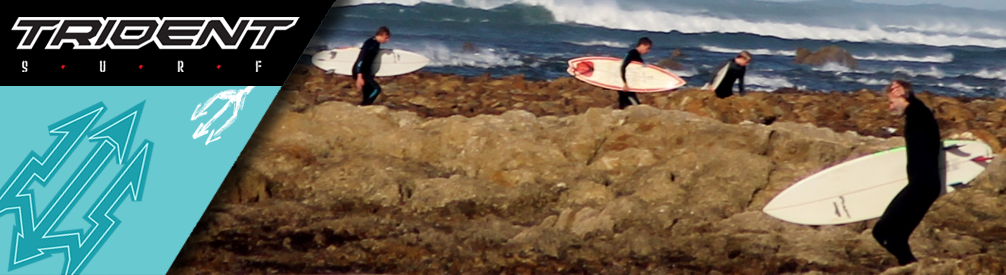
These are all pretty obvious, and you’d be hard pressed as a surfer not to have experienced the indignity of trying to get in and/or out the water while doing the patented awkward rock dance. Sometimes rocks are too slippery, the exact opposite of too sharp and spiky, yet slippery rocks are just as dangerous. Sure, it’s funny to see someone slip and slide like they’re bringing sexy back. However, when it’s you slipping on the rocks while trying not to damage your surfboard (Ed’s note: remember – this is an article on surf injuries, bugger your board) – it ain’t as funny. The rock jumps all SA surfers will need to do at some point will almost guarantee an injury, so be warned folks. No frivolous attempts when doing so, and watch that sneaky backwash that may strand you on a rock pinnacle looking like the world’s kakkest seesaw.
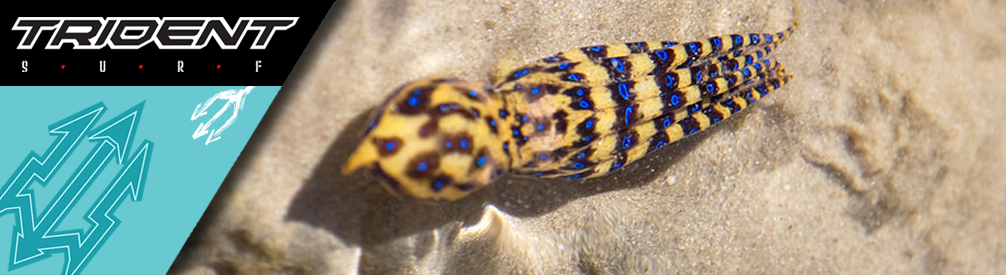
Less common although no less painful and potentially serious are the creatures that dwell amongst the rocks. Sure, you may occasionally stand on a stingray or electric ray happily buried in the sand, but you’re generally paddling already before that happens. Nah, we refer to sea urchins (see article here) and the like. Trident has stepped on sea urchins before, only for the spines to remain in our tootsies for, like – a month. Fun times. Not. So learn from our errors folks.
The shore break.
Well, this one seems obvious, but by golly people can be stupid. Okay, so this only really applies to beachies but still. Trident always recommends paddling out only after you can no longer comfortably stand in the water. This could be waist deep, chest deep, or even knee deep. Our informed opinion is there really is no need to start paddling out on your board the moment your toes touch water. In other words, when it’s ankle deep. Perhaps you have some personal fetish for breaking your surfboard (and/or your face) by duckdiving when the water is shallower than a Kardashian. Wake up fellow waveriders. Walk out (slowly and carefully) and only start paddling when it’s deep enough. Don’t ensure a pointless injury by unnecessarily taking a big wave on the head or allowing it to ragdoll you in the shorey. There’s plenty of time to be humbled and humiliated by waves in the lineup proper.
Paddling out.

Assuming you haven’t managed to do yourself a mischief just yet, we’ll finish off today’s injury article on the very real but uncommon incidents of tweaking, straining, stretching or even tearing muscles or tendons while paddling out. We mention these injuries as unlikely as generally speaking you’re more likely to hurt yourself in big waves, or trying radical moves rather than the simple act of paddling. But. BUT. We all get older folks. Make stretching as much part of your surfing regime as waxing up. Limber up before paddling out just as you’d ensure you went Number Two before surfing to prevent personal embarrassment and beachfront contamination. Sadly, there is no magic formula for preventing injury, but stretching helps – as does practice and repetition.
Here’s some handy tips though, paddle with your hands under your surfboard – your shoulders are essentially ball joints. If you paddle with your arms straight in the water you turn shoulders into hinge joints, creating a higher chance of muscle/tendon injury. Watch that lower back, and make sure you’ve had enough water to drink beforehand.
More injuries and how to prevent them will come in the next Surf Science article.
