

We’re not even gonna bother with a preamble to this article. If you haven’t already read Part One of the tidal effect, read it here. Also, what the hell are you playing at, attempting to read Part Two if you haven’t read the first one? Shame on you. You’re clearly one of those weirdos who only watch the second halves of matches, or get into a TV show around Season 5.
Anyhow, who are we to judge? Let’s continue.
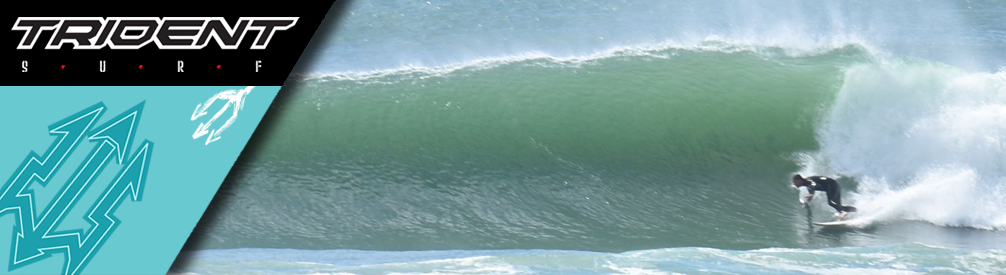
Space. It’s like, so out there.
In Part One we discussed how the tides are caused by the gravitational pull of heavenly bodies, particularly that of the moon. (Ed’s note: Seriously. This was completely covered in Part One. Author’s note: Okay, we’re done with the rehash now.) Now, despite what the tinfoil hat brigade believe, nothing in space is fixed in place. (Ed’s note: That rhyme is sick bro. Author’s note: Will it get me a raise? Ed’s note: …)
Indeed, as anyone with an IQ above that of a can opener knows, the moon revolves happily around the earth, while the earth revolves happily around the sun, wheee! Due to this fact, yes – it’s a FACT flat-earthers, the sun and moon will be at different positions in that there sky relative to the earth. This in turn causes what we call full moons, half moons, new moons and being arrested for mooning (probably due to full moon madness). A full moon for instance, occurs when the moon appears fully lit up, which may change when Eskom switches the moon off at Stage 17. Nevertheless, this illumination is due to earth being directly between the sun and moon, occurring roughly once a month. New moon is the opposite; the moon becoming basically invisible, like Trident in a twenty foot swell.
Surfing and the moon.
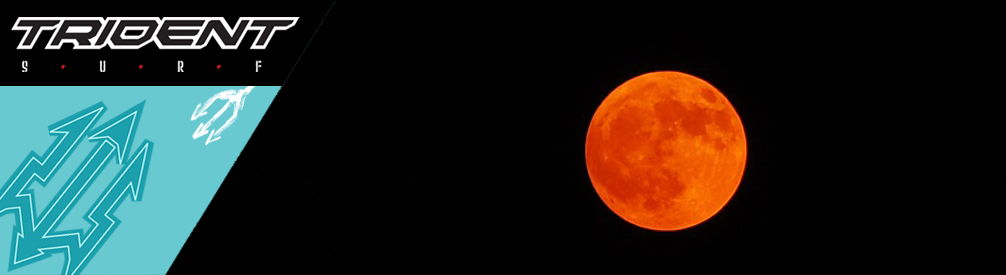
So, the moon and surfing – what do they have to do with one another? Do surfers become werewolves during a full moon? Well, Trident does, but we suspect we are unique in that regard. No, what this article is driving at is how the phases of the moon cause not only tides, but also spring tides as well as neap tides.
If you’ve ever surfed a certain spot during its ideal tide – whether it’s a high or a low tide spot, on the tide drain or push – you’ll know how a spring tide can enhance, or completely ruin a session quicker than cities in South Africa get new mayors. The zenith of an extreme high tide of a spring tide can cause a decent 4 foot wave to suddenly begin closing out, say, on the beach parking lot.
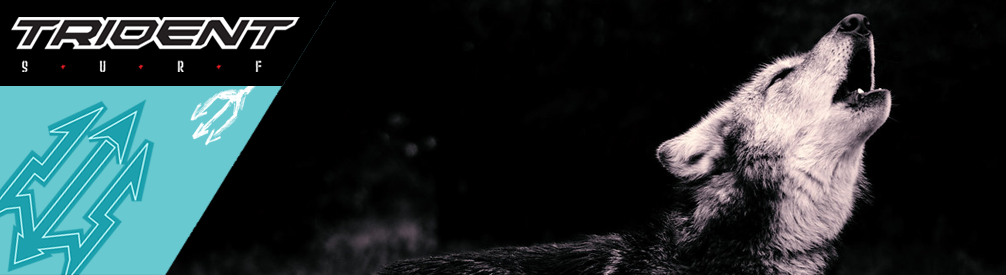
Lows and highs. Like life brah.
The opposite is true of a spring low. Trident has seen hitherto-unknown reefs exposed during this tidal event, some of which may actually have been ancient taverns of Atlantis for all we know.
Neap tides are the other extreme tidal events, although the word “extreme” is somewhat of a misnomer. Neap tides are basically tides that have given up on life. They’re neither very high nor very low, instead occupying an inconsequential middle ground. This in turn also causes havoc for surfing, ‘coz essentially not much happens.
So next time you look at that big pockmarked glowing circle in the sky, be grateful for the positive aspects it has on surfing. As for all the negatives though, oh well, that’s life hey. And that’s also science.
