

Ah. The surfing lifestyle. Waves, sun and attractive, healthy bodies farting about in the surf. Most people would be entranced by this dream. So, the most important thing to consider is – how to sell this ideal to make a quick buck?
Enter – the corporates.
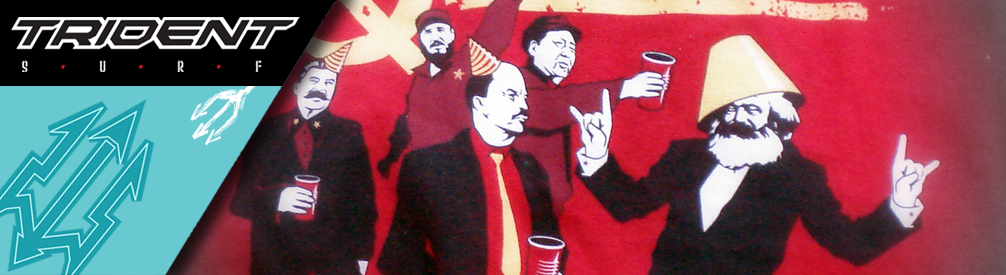
Straight after the starting whistle, let Trident immediately declare that although we are inherently cynical, we all gotta buy stuff. Food, clothing, rent, those novelty hardhats with the beer drinking apparatus attached – human nature is essentially possessive despite what the dirty commies will have you believe. We all wanna own stuff. Generally stuff which falls into two categories; either stuff we like or stuff we need. If you’re a hardline socialist, feel free to donate all your possessions to Trident and we’ll no longer call you a hypocrite. Although declaring the instinctual human desire towards ownership is parenthetical, this relates strongly to surf culture.
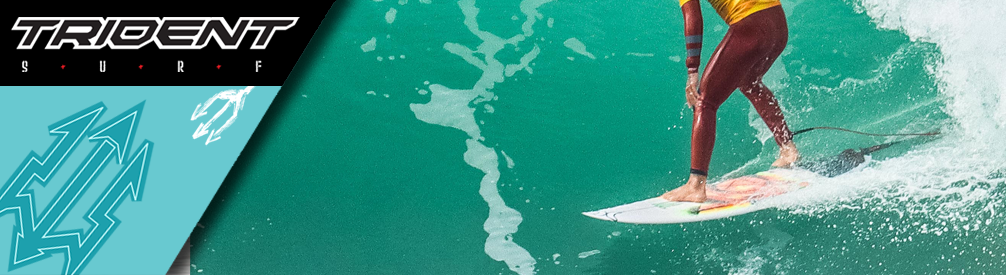
Surfing itself can neither be bought nor sold. Unless it’s a wavepool. Have at it we say. Wavepools are only really within striking distance of those that live nearby and are willing to part with their hard earned cash to surf them. For the rest of us however, the ocean is free. Apart from perhaps petrol getting there and the occasional medical expenses from getting a fin up your tradesmen’s entrance or a headbutt from the locals, surfing a wave costs nothing.
Possessions. Unless it’s by a spirit, we all need ’em.
Nonetheless, we all need to possess a surfboard and most likely a wetsuit to surf for nothing. (Ed’s note: commies, please explain how surfboards and wetsuits would work in a socialist utopia.) Unless a surfer was able to magically conjure up a surfboard and wetsuit using the Dark Arts, or manufacture their own from discarded and/or defective vehicle parts and leftover organic waste, said surfer is compelled to buy surf equipment. And Lo! Surf brands were born.
We can trace the beginning and rise of many of our most beloved surf brands from the 60’s. Somewhat and quite obviously ironically, surf culture grew from the free love and hippie era. As a South African surfer, one should be aware of tales of a certain surf industry mogul stitching boardshorts from seagull feathers and crushed crab shells while sitting on the beach at Supertubes. Yet there are plenty of myths of similar humble beginnings of the big brands across the world.
Many big brands had humble beginnings in garages and outhouses and such.
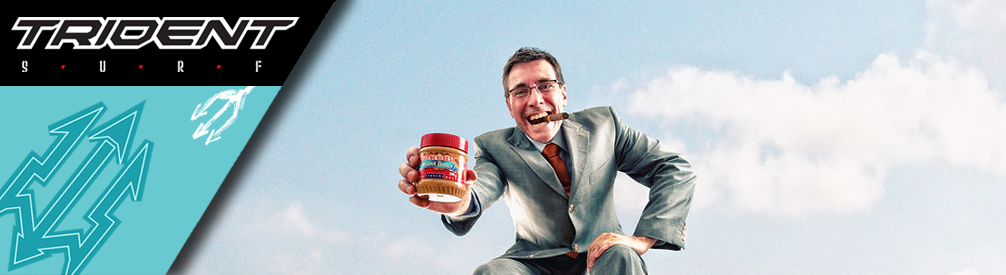
Trident won’t mention brand names, so we’ll substitute actual people names for anonymity’s sake. Let’s call one of the big brands Willie Bong. That’s sort of like an actual person’s name, right? And it sounds nothing like the brand we are protecting so ja, let’s go with it. Willie was famous, far beyond just surf subculture. Everyone wore his clothes, surfer or not, and still do. Yet, after the financial crash somewhere around 2008, Willie and his mates suddenly found they had less money than previously.
A slow but steady decline kinda ensued, with other surf names following in Willie’s downward spiral. Enter; 2022. Another, more encompassing brand will be buying Willie and his mates out. Trident can’t tell if it’s a good or a bad thing yet, but we definitely feel a sense of profound despair at iconic brands being bought out.
Sorta like Apple being bought out by Pep Stores. This is a developing story, so we foresee a sequel to this tale of woe.
