

Whales. Magnificent beasts. The elephants of the oceans if you will. Gigantic aquatic mammals, so graceful for their size and weight, gliding through the waters like sentient submarines. Everyone loves whales. Unless you’re Captain Ahab. And if you’re Norwegian or Japanese, you love whales a little too much you horrible, harpooning bastards.
Anyhow, Trident’s moral compass points strictly north, so we ain’t writing this article to point fingers at the few whaling nations left on earth (*ahem – clears throat – arseholes). No, we’re here to discuss a fairly common yet still awe-inspiring phenomenon – that of whales ending up out of their element and onto the next closest thing – the beach.
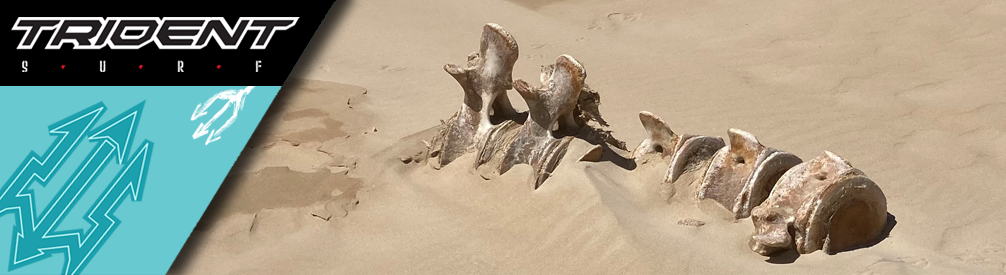
Whales stranding. The causes?
Gruesomely, many people believe whales beaching is strictly done on purpose – ie: cetacean suicide (yes, cetacean is the official scientific term for whales, dolphins and the occasional American tourist). Although there is much evidence to suggest this does indeed happen, perhaps due to old age, malnutrition, sickness, perhaps even sadness, the loss of a calf or a messy divorce from their ex – whales beaching is often just the last stage of a natural death. In other words, the animal died at sea and washed up on the beach.
Although we remain kinda ignorant of the exact causes; a few things are certain. Number one; it seems only a few species beach – and they all appear to be of the toothed whales species. (As opposed to baleen whales, which are whales that look like they have jaws made of giant hairbrushes.) Nonetheless some of the causes are due to sonar (yes, it does affect whales people), accidental stranding when attempting to capture prey, general injuries and environmental causes. Yes, so some of this is due to us human beings. Bad human beings. Sonar and boat collision injuries being the major issues. Thankfully in a twisted way however, whales stranding is not solely our fault.
This is science bro, they stank.
Beaching happens quite regularly in Trident’s neck of the woods. Indeed, often enough to make certain scientific observations. Like, by Neptune’s navel do dead whales pong. They smell bad. Really bad. Like poop took a poop.
Now, you’d think the stank alone would caution anything against eating them. But no, some years ago, a few of the indigenous people of Canada thought a dead whale was a all-you-can-eat buffet and got themselves a lovely case of botulism. Yes team, you heard it first here folks: Trident says – don’t eat any part of a dead whale, no matter how alluring that revolting bit of bloody blubber may look. Instead, let the authorities either tow it out to sea to decompose or blow it up like a villain’s submarine in a James Bond movie.
Perhaps the crux of beached whales for surfers is the threat of sharks. Now, unless you’re an Eskimo or hungry, we’ve already established eating rotting whale is a very silly idea indeed. However, that stank is like catnip to sharks. So be warned people, especially when surfing little known, out of the way remote surfing spots. That stanky whale oil that leeches its way into the sea will attract sharks faster than Checkers shoppers to Black Friday sales.
