

Hang on Trident, we hear you say. This is a surf site, not a cooking site. Nor is it a marine biology site. And our reply to such blatant ignorance would be, go check out some of these past Surf Science articles here, here and here, all about the creatures we share the life aquatic with.
But you mentioned cooking? True, those little shoe-shaped shells with their vaguely rubbery (even when well-cooked) inhabitants are tasty morsels combined with varying combinations of white wine, cream, butter, garlic and tomatoes. Yet, if you surf, you would’ve encountered these guys alive and kicking. Most likely by standing on them. Which is about as pleasant as someone hitting on you in a morgue.

Mussel biology.
Mussels are bivalves. No, this is no reference to Woke culture with even humble molluscs being fluid and flexible when it comes to gender. (That being said, some bivalves are indeed hermaphrodites just to confuse the issue.) No, bivalves in a nutshell, or in this case – a mother-of-pearl shell – refer to creatures possessing a hinged shell. Sorta like a treasure chest. Or one of those surf key locks. Indeed, using a bivalve to store your key while you surf would be prime. (Ed’s note: Business idea – farming species of bivalve for secure key storage.)
Apart from mussels, other bivalve species include oysters, clams, scallops and cockles. (Ed’s note: Seriously. Just grow up and stop guffawing at er, cockles.) Anyhow. So, here’s an interesting thing about all bivalves. Bivalves, obviously including mussels – all lack heads. We’re assuming having no head has to suck (or having no head has not to suck if you’re the kinky type), but mussels clearly wouldn’t know any better anyway so don’t waste too much time feeling sorry for them.
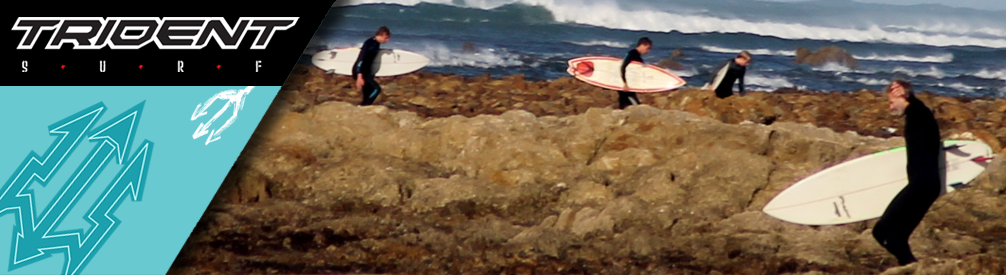
Especially as we’ve all had to clamber over mussel encrusted rocks at some point in our surfing careers. Normally this is done with as much grace as an obese ballerina who has just soiled their tutu. Although some species – like white mussels along our coast – bury themselves in the sand, the hard shelled bastards we are most familiar with love to attach themselves to reefs and rocks. As if sharp, hard, pointy rocks wasn’t already enough of an ordeal to tap dance over.
King Shaka used thorn-strewn fields to toughen his warriors’ feet. Surfers use mussel-strewn rocks.
There are simply too many mussel-encrusted rocks and reefs to mention by name in this country. However, as it’s easily the most famous break in SA, Supertubes has a really wonderful mussel-encrusted reef. If you mistime any aspect of your wave on the wrong tide, you may just become intimately acquainted with every hard shelled bivalve on this reef. In the industry we call it being “cheese-grated”.
It may be of insignificant consolation, but next time you’re cursing and swearing at every hard, blade-shaped shell you’re stepping on post- or pre-surf, remember just how good those little buggers taste in a cast iron pot.
