

Like so many Surf Science articles preceding this one, Trident cuts right into the heart of some of the most fundamental aspects of surfing. Stuff like sand, wind and all manner of physical minutiae we barely even notice any more as regulars in the ocean.
White water is no exception. Like, how many of you have ever wondered why white water is well, white? It can’t be some kind of supremacist conspiracy, as even black river water has white water rapids.
White water is what happens when water gets angry, drinks 12 Black Labels, and decides to snort air. Sort of. So let’s delve further into the Science of white water.
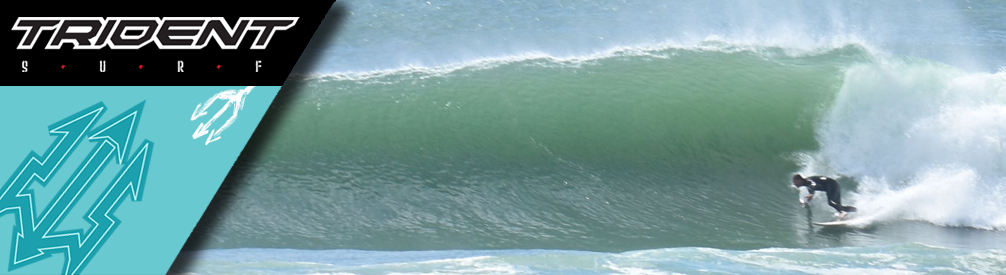
White Water: It’s neither Sorcery nor Supremacy.
H20, that’s water for those who never did high school chemistry, generally is transparent. That is to say, water is clear, or see through for those who never did high school English. Unless you live in a South African municipality. Then it may resemble the above mentioned Black Label, and smell even worse. But yes, the accepted observed science is; water is transparent. Speaking of South African municipalities – they aren’t transparent.
Large bodies of water often have hues though. Water hues tend to range from black through to the most common colours of blue, green and Black Label brown. However, Trident has seen almost all the colours of the rainbow. Including yellow. In tidal pools. Best not to ask.

So why does water turn white with breaking waves? Or in inland rapids, floods and the like? Well, Trident already answered that question earlier. White water contains trapped air. The wave energy captures air as the water violently surges upon breaking. When water tumbles, it traps millions of tiny air bubbles. Light scatters off all those bubbles instead of passing through. Result is – white water. Basically, nature turns breaking waves a giant, angry smoothie. When you surf, particularly in waves of consequence, you are the bits of blueberry or peanut butter that never blended properly. Fun times.
The whiter the water, the more air it has. The more air it has, the less it can float you. This is why surfing in foamies, sectioning waves and frothy kinda waves feel like driving over the surface of the moon in a shopping trolley with only 2 barely functioning wheels.
White water is sorta like waves trying to fist fight other aspects of nature.
White water is waves having mid life crises they can’t accept. The slower moving wave (or swell) has higher pressure, but as it hits the shallower part of coastlines (ie: surf spots), water speeds up which means lower pressure. This translates into the wave fighting for its very existence as it dies upon the shore. Its final, desperate attempt at life is to trap all those air bubbles. This translates into you screaming, trying to bail and pleading with gravity if you end up on a gnarly end section. Fun fact; gravity, the sea and certainly not white water doesn’t give a hoot about you. Even for the most skilled of us surfers, making a heavy white water closeout is roughly half physics, half luck, and 100% content for your surf crew’s Instagram.

White water is just water that is highly the moer in. It’s essentially water meeting gravity and a shallower coastline, then binging on air bubbles before angrily vrekking. The science says it could donner you. Harshly. But even if the white water swats you properly, we all know you’re gonna say “ag, just one more wave bru.”The Science of white water.
